
Best Vitamins for Ear Health and Hearing Support: What Actually Helps and Why
Introduction
Best Vitamins For Ear Health Hearing is something most people take for granted until problems begin.
You may not notice small changes at first. Conversations may seem slightly unclear. Background noise may feel louder than usual. Over time, these small signs can develop into noticeable hearing difficulties.
Many people immediately think of hearing aids or medical treatments. However, one important aspect is often overlooked.
Nutrition plays a critical role in maintaining ear health and supporting hearing function.
The inner ear is a highly sensitive system that depends on proper blood flow, nerve signaling, and cellular health. Without the right nutrients, these processes can become less efficient over time.
This is why many people are now asking an important question:
What are the best vitamins for ear health and hearing support?
In this detailed guide, you will learn which vitamins and nutrients actually matter, how they support hearing, and how to include them as part of a long-term approach to ear health.
Also Read: Echoxen Review
Why Nutrition Matters for Hearing
Before discussing specific vitamins, it is important to understand why nutrition is essential.
The ear is not an isolated organ. It depends on multiple systems within the body.
These include:
- Blood circulation
- Nervous system function
- Brain signal processing
- Cellular repair mechanisms
Each of these systems requires proper nutrition to function efficiently.
When the body lacks essential nutrients, the ear becomes more vulnerable to:
- Reduced circulation
- Nerve damage
- Oxidative stress
- Inflammation
Over time, this can contribute to hearing decline or tinnitus.
View Echoxen Pricing & Availability
The Role of Vitamins in Ear Health
Vitamins support the body in several ways that are directly connected to hearing.
They help:
- Maintain healthy blood vessels
- Support nerve communication
- Protect cells from damage
- Reduce inflammation
- Improve overall brain function
Because hearing depends on both the ear and the brain, these functions are essential.
Key Vitamins for Hearing Support
Vitamin A
Vitamin A is important for maintaining the health of cells throughout the body, including those in the inner ear.
The inner ear contains delicate structures that require proper cellular maintenance. Vitamin A supports these structures by promoting healthy cell function.
It also plays a role in immune function, which can help protect the ear from infections.
Sources of Vitamin A include:
- Carrots
- Sweet potatoes
- Spinach
- Eggs
Maintaining adequate levels of Vitamin A supports long-term ear health.
Vitamin B Complex
The B vitamins are among the most important nutrients for hearing.
They play a key role in nerve function and energy production.
Also Read: Can Hearing Loss Be Reversed
Vitamin B12
Vitamin B12 is particularly important for the nervous system.
It supports the health of nerve cells, including those involved in hearing.
A deficiency in Vitamin B12 has been linked to hearing issues and tinnitus.
Vitamin B6
Best Vitamin B6 supports neurotransmitter function, which is essential for communication between the ear and brain.
Vitamin B9 (Folate)
Folate supports blood circulation and helps reduce levels of homocysteine, which can affect vascular health.
Good sources of B vitamins include:
- Whole grains
- Meat and fish
- Eggs
- Leafy greens
Vitamin C
Vitamin C is a powerful antioxidant.
It helps protect the body from oxidative stress, which can damage cells in the ear.
The inner ear is particularly sensitive to oxidative damage.
Vitamin C supports:
- Immune function
- Cellular protection
- Reduced inflammation
Sources include:
- Citrus fruits
- Berries
- Bell peppers
Vitamin D
Vitamin D plays a role in bone health and immune function.
The middle ear contains tiny bones that are essential for sound transmission.
Vitamin D helps maintain these structures.
Low levels of Vitamin D have been associated with hearing issues in some cases.
Sources include:
- Sunlight exposure
- Fatty fish
- Fortified foods
Vitamin E
Vitamin E is another antioxidant that helps protect cells from damage.
It supports blood circulation and helps maintain healthy cell membranes.
For hearing health, this means:
- Better protection of inner ear cells
- Improved circulation
Sources include:
- Nuts and seeds
- Vegetable oils
- Green vegetables
View Echoxen Pricing & Availability
Important Minerals for Ear Health
In addition to vitamins, certain minerals are essential.
Zinc
Zinc plays a role in immune function and cell repair.
It may help protect against infections that can affect hearing.
Zinc also supports nerve function and overall cellular health.
Sources include:
- Meat
- Shellfish
- Nuts
Magnesium
Magnesium supports blood flow and helps protect against noise-induced damage.
It may help reduce the impact of loud noise exposure on the ear.
Iron
Iron supports oxygen transport in the blood.
Low iron levels can affect circulation, which may impact hearing.
How These Nutrients Work Together
No single vitamin works alone.
Hearing health depends on a combination of nutrients that support multiple systems.
For example:
- Vitamin B12 supports nerves
- Vitamin C and E protect cells
- Magnesium improves circulation
- Zinc supports repair
Together, they create a supportive environment for the ear and brain.
Also Read: How To Stop Tinnitus Naturally
Can You Get Enough from Food Alone?
In many cases, a balanced diet can provide essential nutrients.
However, modern lifestyles can make it difficult.
Factors such as:
- Processed foods
- Poor diet habits
- Stress
- Aging
can reduce nutrient absorption.
This is why some people consider additional nutritional support.
Where Supplements Fit In
Supplements are designed to support the body when diet alone is not enough.
A well-formulated supplement may combine:
- Vitamins
- Minerals
- Plant extracts
- Amino acids
These combinations aim to support:
- Circulation
- Nerve function
- Brain activity
- Cellular protection
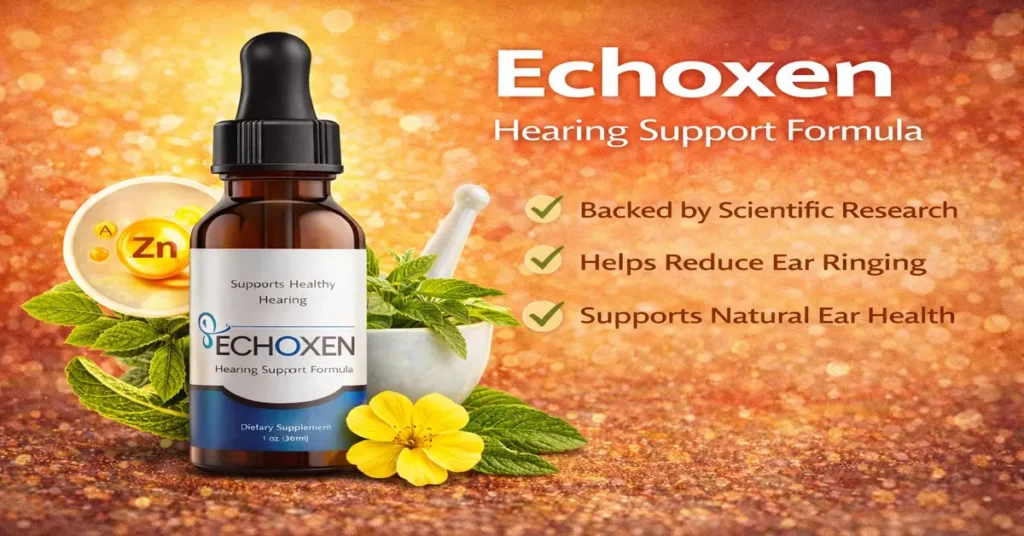
Echoxen is an example of a supplement that includes several of these elements in a liquid format.
Its formulation focuses on supporting both ear health and brain function.
It is not a replacement for a healthy lifestyle, but it can be part of a broader approach.
What to Avoid for Better Hearing Health
Certain habits can negatively affect hearing.
These include:
- Excessive exposure to loud noise
- Poor diet
- Smoking
- High stress levels
Avoiding these factors is just as important as improving nutrition.
When to Take Action
You should start focusing on hearing health if you notice:
- Ringing in the ears
- Difficulty hearing conversations
- Increased sensitivity to sound
Early action can help prevent further issues.

Conclusion
Hearing health is influenced by many factors, and nutrition is one of the most important.
Vitamins and minerals support the systems that allow the ear and brain to function properly.
While they cannot reverse all forms of hearing loss, they can help maintain and support hearing over time.
A balanced approach that includes proper nutrition, healthy lifestyle habits, and targeted support can make a significant difference.
Also Read: Why Do My Ears Ring Constantly